Magic show on Alamo Plaza
One hour of magic by a rotating cast of touring magicians, a pre-show parlour with a scavenger hunt, free popcorn and 30 minutes afterwards to look around. Six and over; drinks are extra.
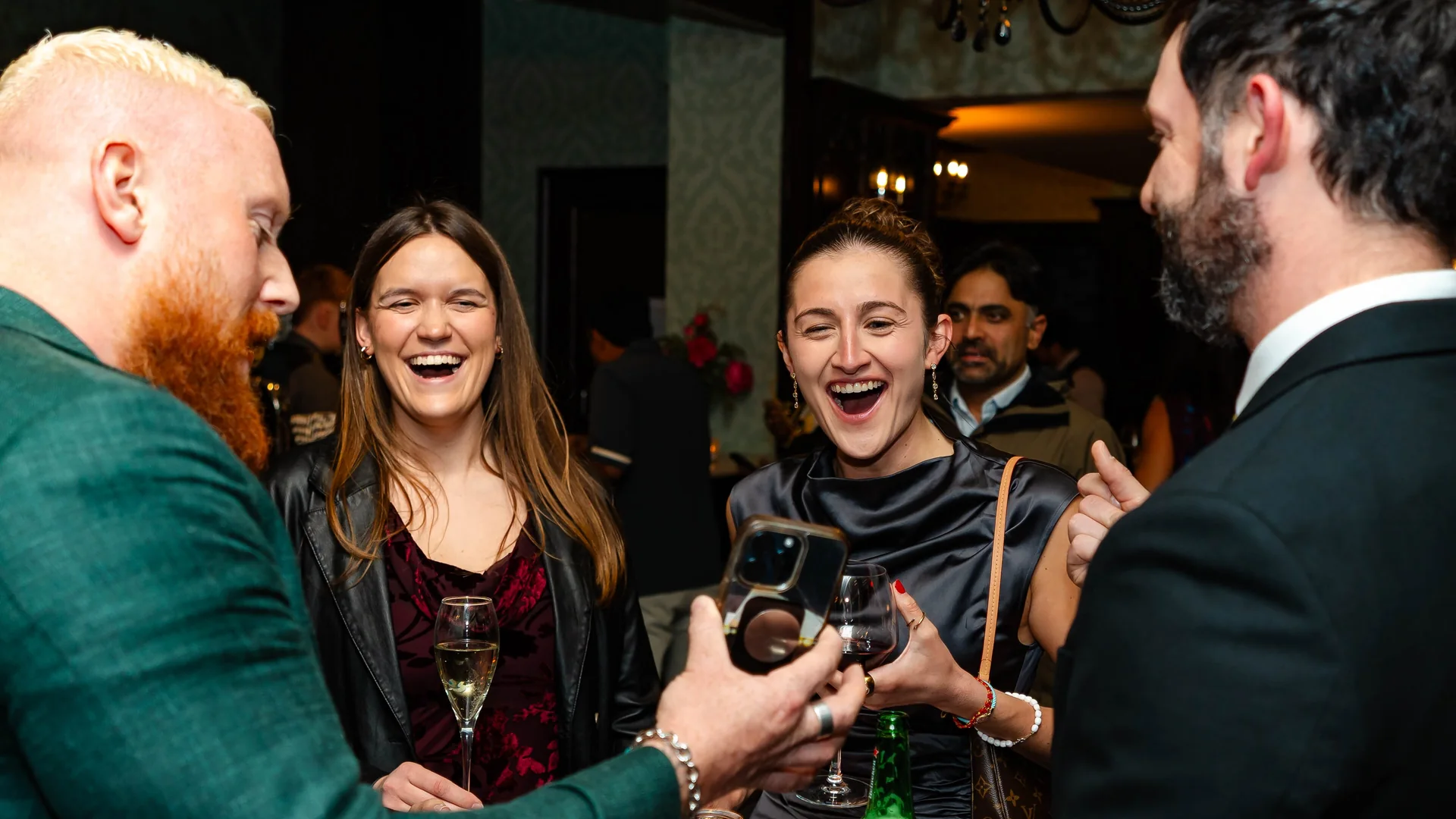
Alamo Plaza · San Antonio
A saloon-styled theatre on Alamo Plaza stages an hour of magic by a rotating cast, with a cocktail parlour before the show.
Each show needs a minimum of tickets sold to go ahead, so book rather than walk up.
Worth it? The answer up front
Yes, if you want a light, funny hour indoors at the end of a day around the Alamo and the river. The ticket buys a one-hour show by a touring magician who changes from night to night, a parlour with a scavenger hunt to explore first, free popcorn, and half an hour afterwards to look around. Drinks cost extra. Each show also needs a minimum number of tickets sold: if a date falls short, you can move to another night or take a full refund.
A small magic theatre styled as a saloon, on Alamo Plaza and within view of the Alamo. The hour mixes sleight of hand, comedy and volunteers called up from the seats, in the parlour style of magic that works close to its audience rather than with giant stage props. Arrive early and the visit stretches to between an hour and a half and two hours.
A dinner show, a resident headliner or a big-stage illusion production. You cannot choose the magician, because the cast rotates, and the bar is pay-as-you-go. Under-sixes are turned away, and the show can include flashing lights and sudden sound effects.
Read this before you buy
The visit, step by step
Your confirmation shows the start time. Everything else about the visit is built around coming early and staying a little after.
Before
The rooms before the show come with your ticket, and they only work if you have time for them. The time printed on your confirmation is when the magician walks on, not when you should walk in, and leave the River Walk or your hotel with a margin.
Parlour
A themed parlour opens the visit. You can poke around, follow an interactive scavenger hunt and look at a few behind-the-scenes secrets of the trade, with views of the Alamo outside. It gives older children something to do while the seats fill.
Bar
The themed bar pours signature cocktails and mocktails. Both are bought on the night and sit outside the ticket, as do meals and tips. The popcorn, on the other hand, is free.
Show
The performance runs for one hour and moves quickly: sleight of hand, tricks that bend the eye, and a good deal of laughter. The magician comes from a rotating cast drawn from across the country, so the act and its patter change from one visit to the next.
Volunteers
Audience participation is built into the format, so expect the magician to bring people from the seats into the act. Whether that person is you is the magician's call. If you would rather only watch, say so when you are asked.
After
When the show ends you can stay another 30 minutes to explore the venue and take pictures. Flash photography is not allowed during the performance, so this is the time for the camera.
Inside the craft
Which tricks you see depends on the magician on the night, and nobody can promise a particular routine. What stays constant is the family of magic this format belongs to. These are its main branches, as the English Wikipedia articles on each describe them.
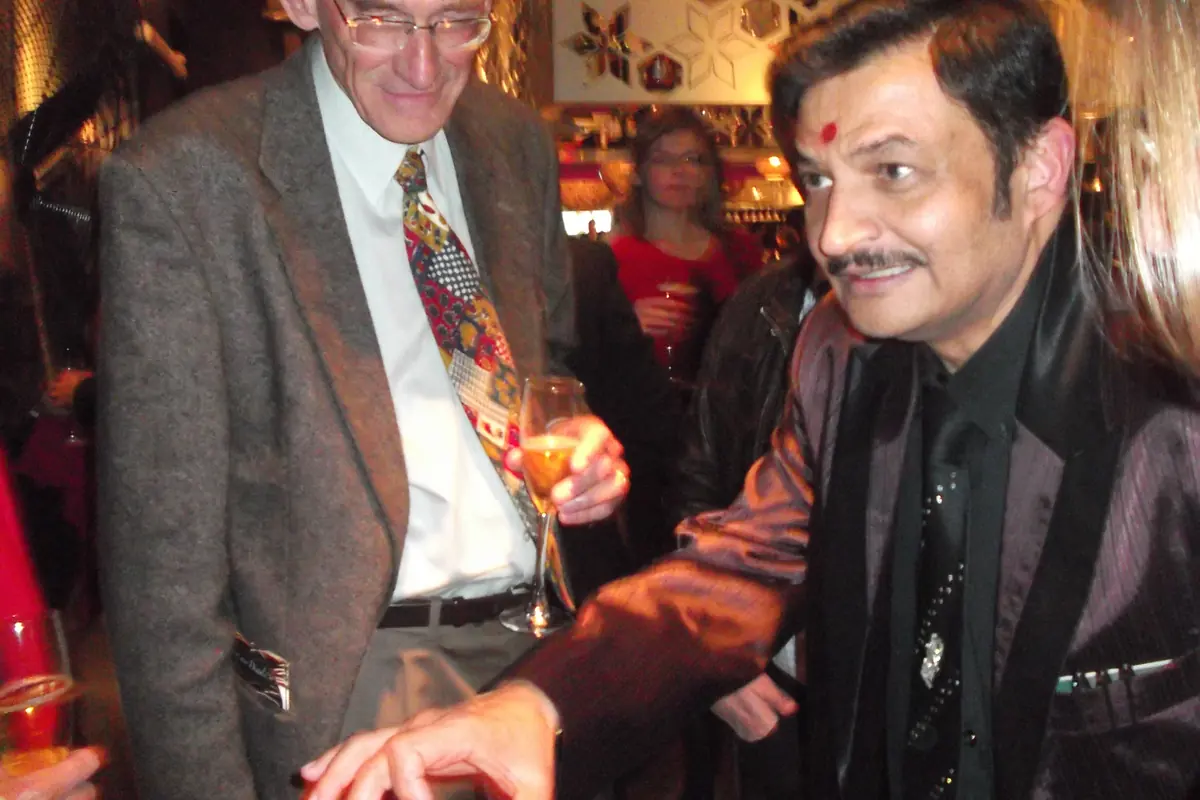
Close-up
Close-up magic, which some call table magic, is worked a few steps from the people watching, often over a table. It rests on sleight of hand, which also goes by prestidigitation, from the idea of quick fingers: the techniques for handling objects in secret. Coins and playing cards are the usual props, though almost anything small will serve, and some performers add cardistry flourishes, which are displays of skill rather than illusions.
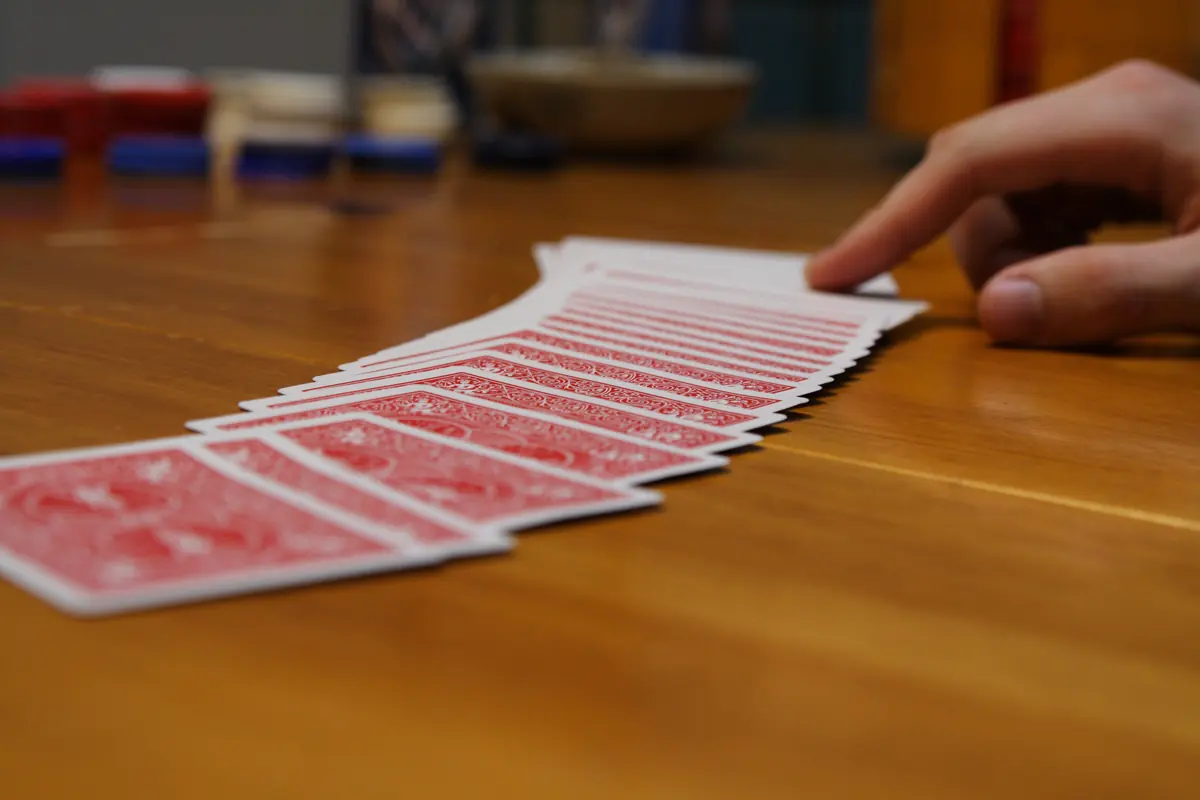
Cards
Card manipulation, more often just called card magic, is the branch built on sleights with playing cards. Magicians took to cards in the 15th century, because decks were cheap, portable and already worked over by card cheats. Houdini billed himself as the King of Cards before his escapes made him famous. Among the best-known card effects are the Ambitious Card and Three-card Monte, the street hustle also called Find the Lady.

Minds
A mentalist seems to read thoughts, predict choices or steer decisions. The effects come from what Wikipedia calls ordinary conjuring means, together with natural skills such as reading body language and a working grasp of psychology, not from any psychic power. Much of today's mentalism descends from the tests that 19th-century mediums and spiritualists staged, and doing it well takes years of study and practice.
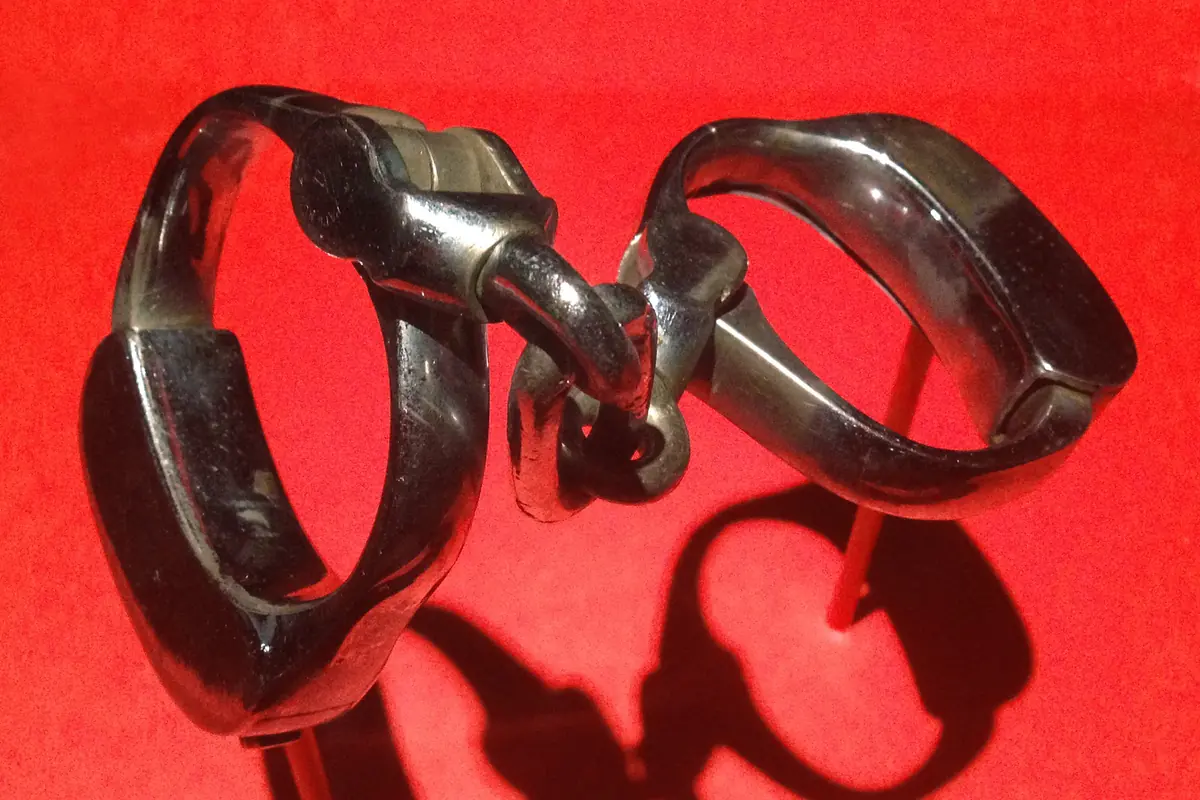
Escapes
Escapology is the art of getting free of locks, cuffs, straitjackets and sealed containers. For a long time escapes were used in secret, to make other illusions work. Harry Houdini made the escape itself into a recognised act, and his feats set the basic repertoire that escape artists still draw on, from padlocks and mail bags to prison cells.
Laughs
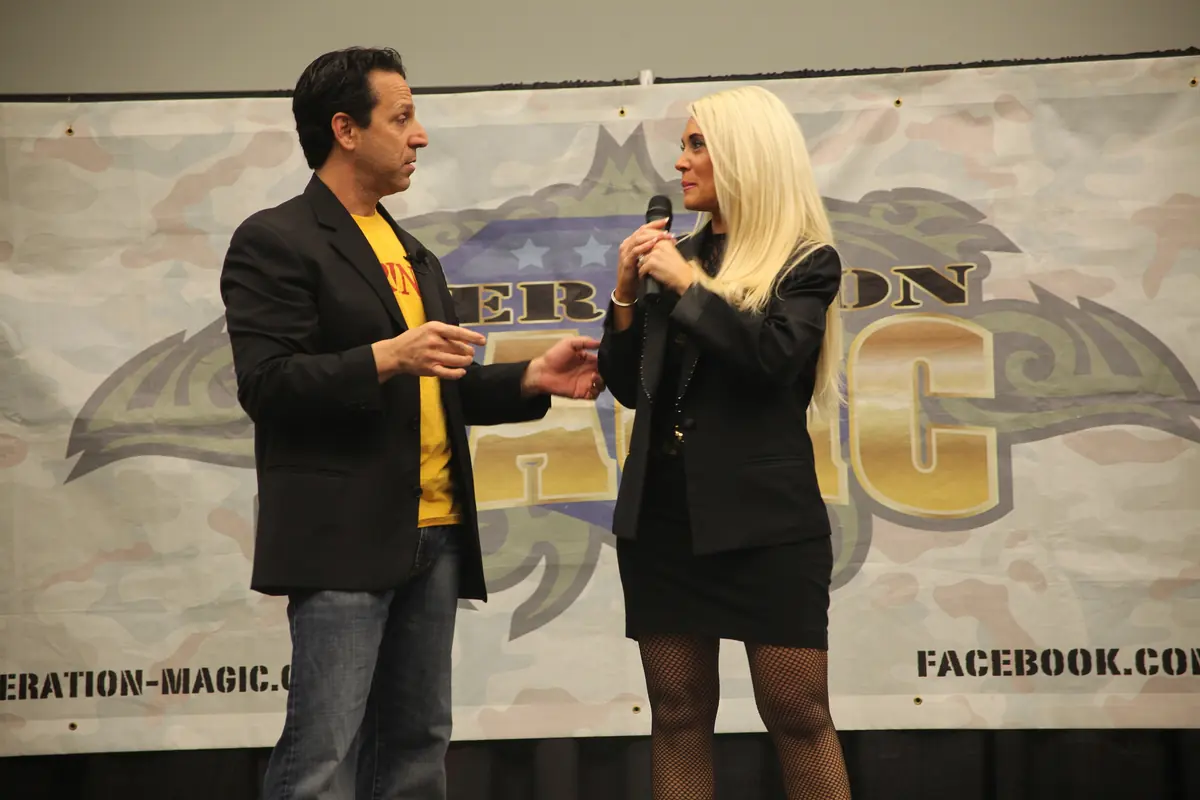
Parlour magic is often played for laughs, with the audience written into the act. Audience-participation tricks are among the classics of the style, such as the breakaway wand that stays rigid for the magician and collapses every time the volunteer takes hold of it. Magic made for children leans on the same two tools, comedy and volunteer assistants.
Scale
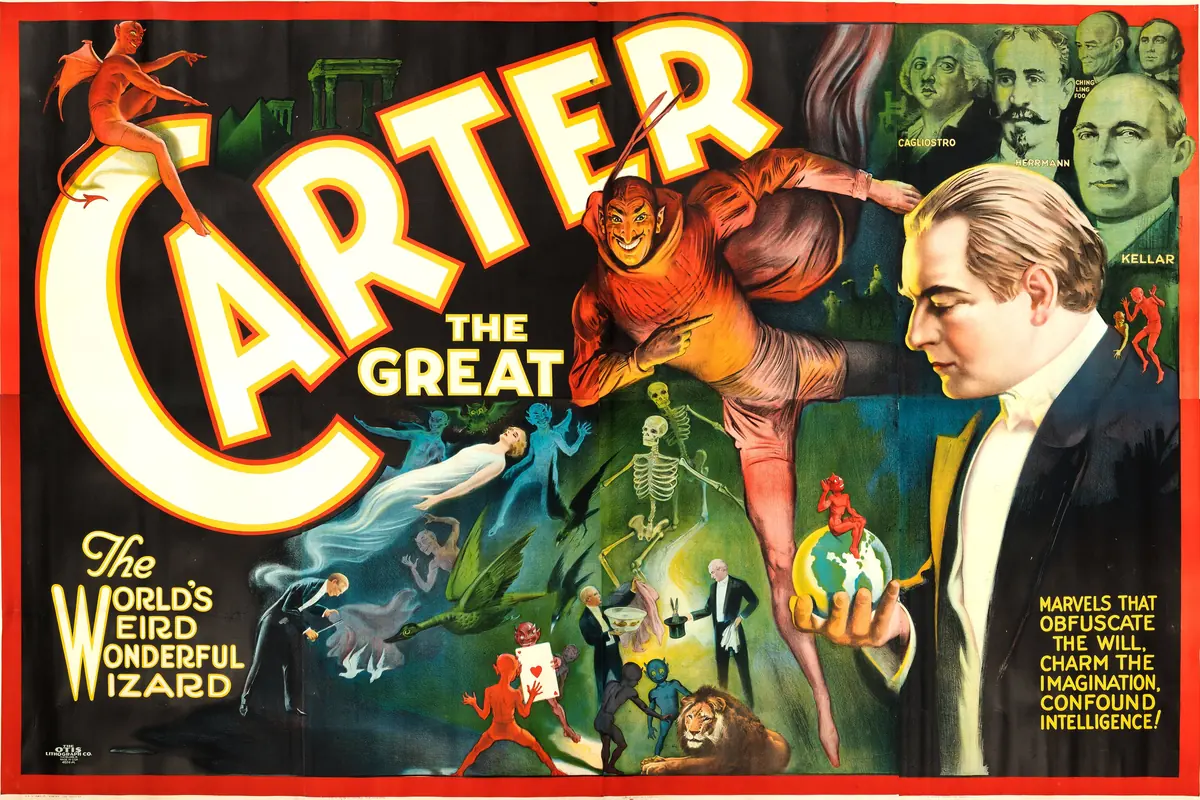
Stage illusion is the large-scale branch, with big props, assistants and sometimes animals, built for theatres and auditoriums. Parlour or platform magic sits in the middle: shows for audiences larger than a close-up crowd and smaller than a stage show, usually performed standing, on the same level as the seats. Wikipedia notes that most working magicians belong to this middle category.
Drawn from the English Wikipedia articles on magic (illusion), close-up magic, platform magic, card manipulation, mentalism and escapology. Nothing here describes a particular performer's act.
A short history
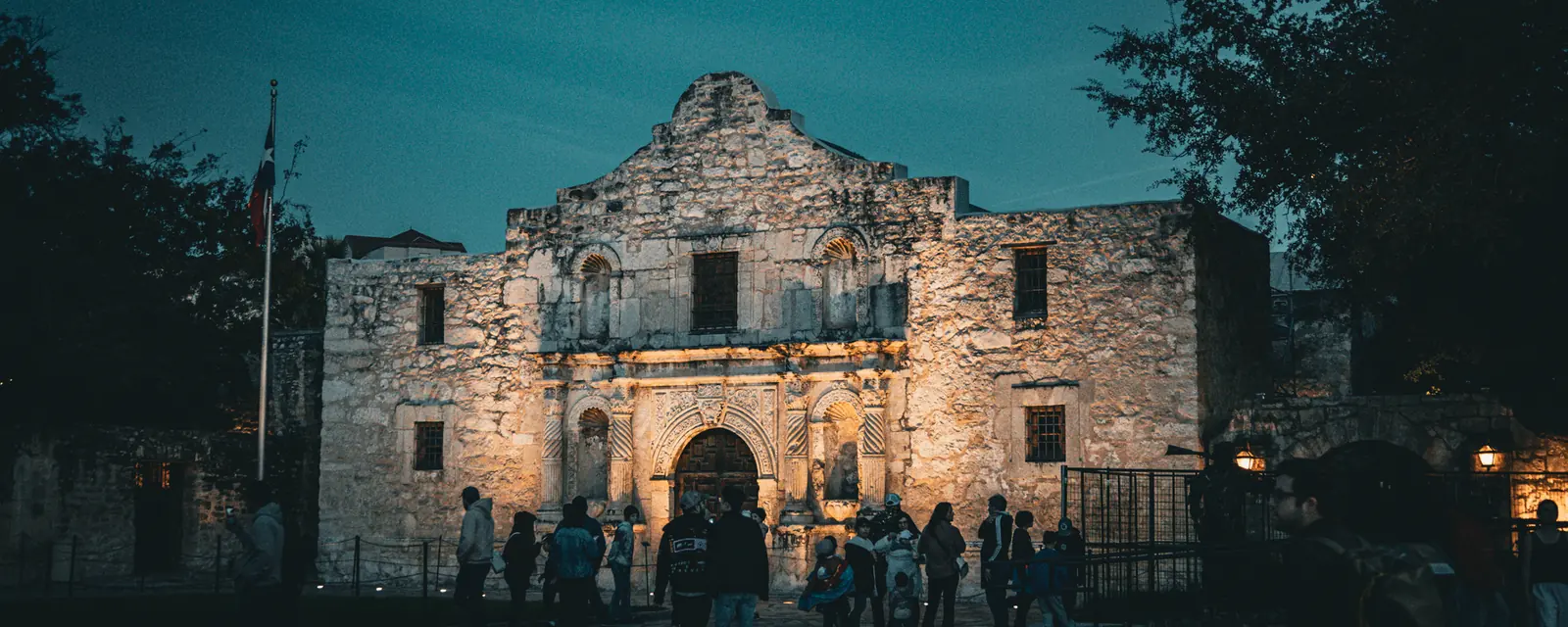
A short history of the kind of evening this is, drawn from the English Wikipedia articles on magic, on Jean-Eugène Robert-Houdin and on the Western saloon.
Until the 18th century, magic was a fairground act, sharing the crowd with sword swallowers, jugglers and fire breathers. As fear of witchcraft faded, conjuring grew respectable enough to be staged for wealthy private patrons.
Jean-Eugène Robert-Houdin, a French clockmaker, founded his own theatre of magic in Paris in 1845 and is widely called the father of modern conjuring. He took the art from the fairground into a theatre that audiences paid to enter, and the custom of magicians performing in tails is part of his legacy.
From the late 1800s into the early 1900s, magic was a staple of Broadway, vaudeville and the music halls, a stretch now remembered as the Golden Age of Magic. Houdini, who took his stage name from Robert-Houdin, was one of its stars.
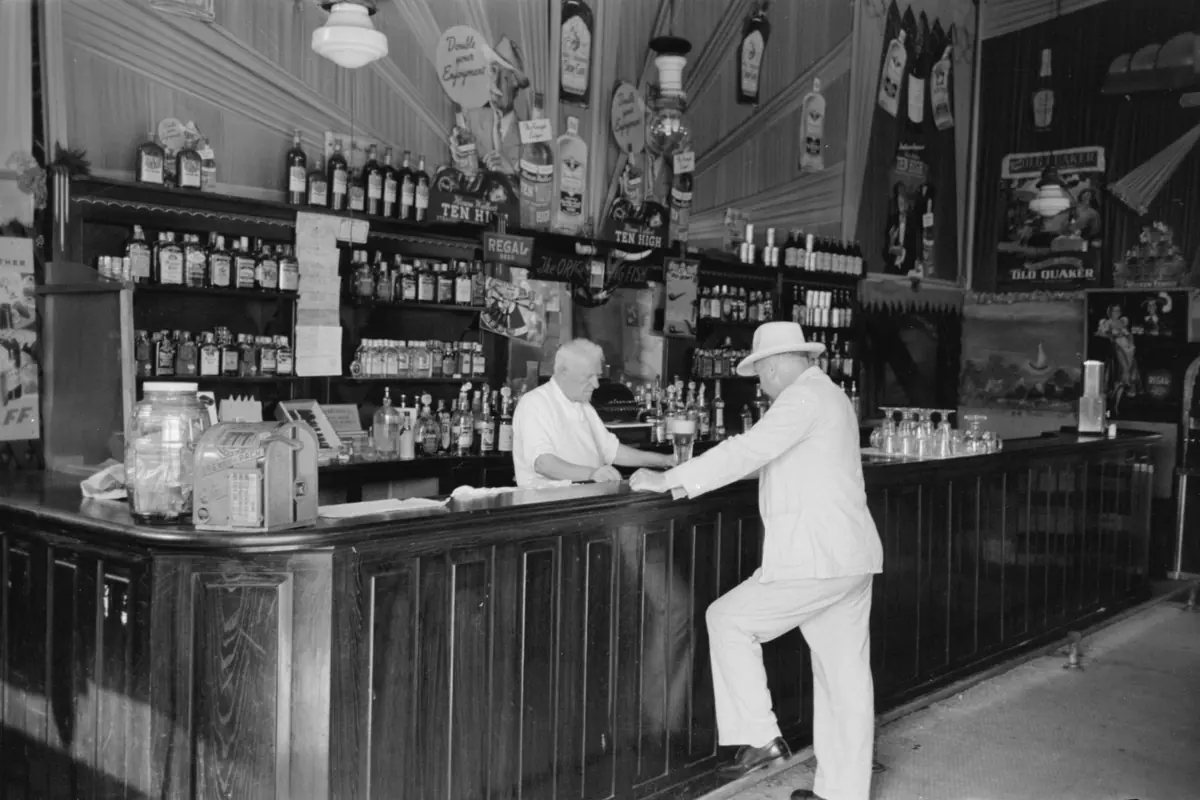
The Western saloon was a kind of bar particular to the Old West, often with a pair of batwing doors at the entrance. Its name began as a variant of the French salon, a large reception room, and had settled into its American meaning by 1841. A saloon-styled magic theatre folds the drawing-room tradition of parlour magic into the frontier bar.
Two San Antonio evenings
Terms that come with the magic ticket
The terms that shape the evening, gathered in one place so nothing surprises you on the night.
Plaza and river
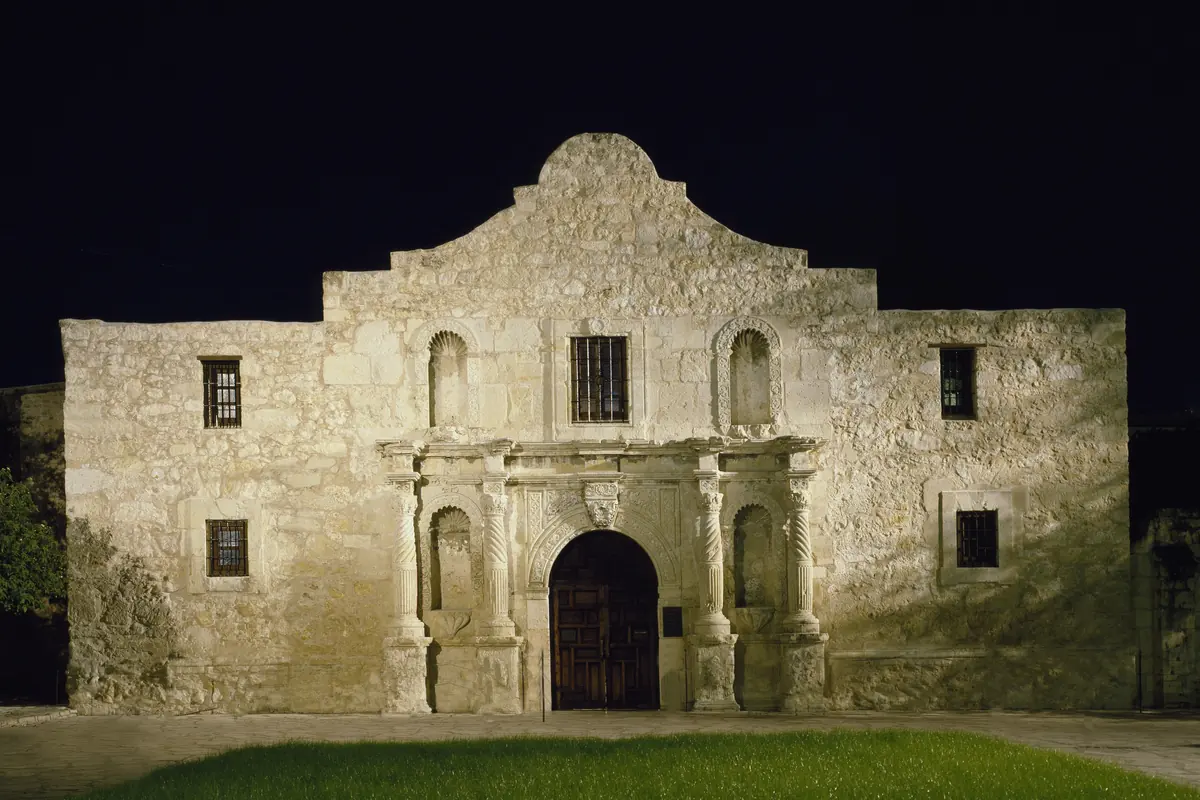
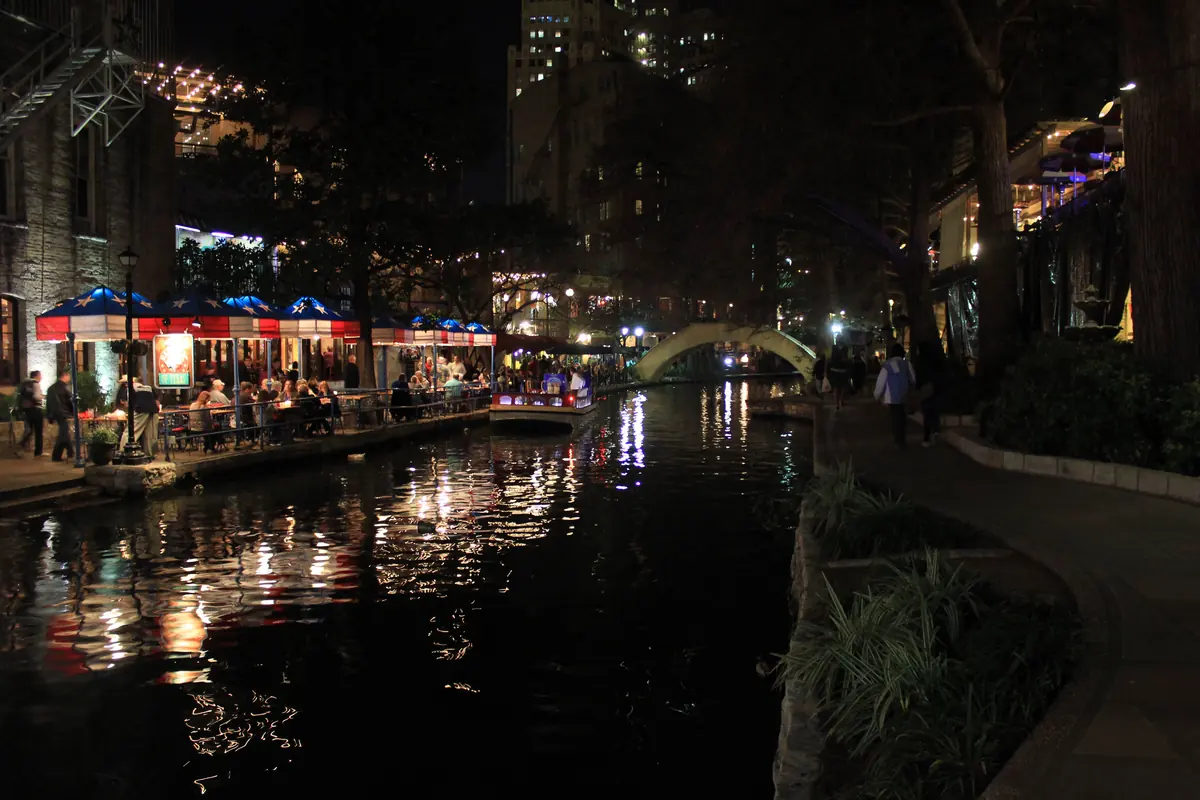
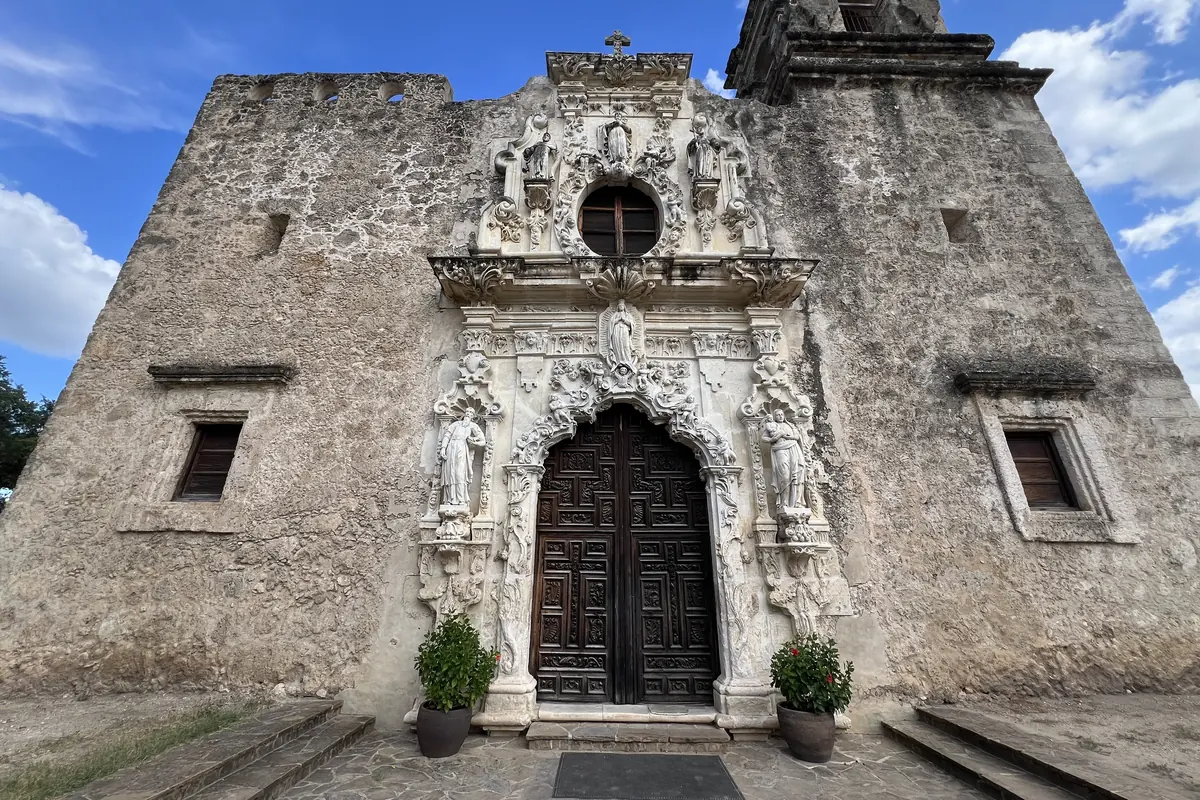
The places around a show night: the Alamo across the plaza, the River Walk a level below the streets, and the four missions that share its World Heritage listing.
Book the show, or build an evening around it
The magic show comes first. Beside it sit the narrated river cruise it is most often weighed against, an interactive art gallery a few blocks away, and a guided tour of the four missions south of downtown.
One hour of magic by a rotating cast of touring magicians, a pre-show parlour with a scavenger hunt, free popcorn and 30 minutes afterwards to look around. Six and over; drinks are extra.
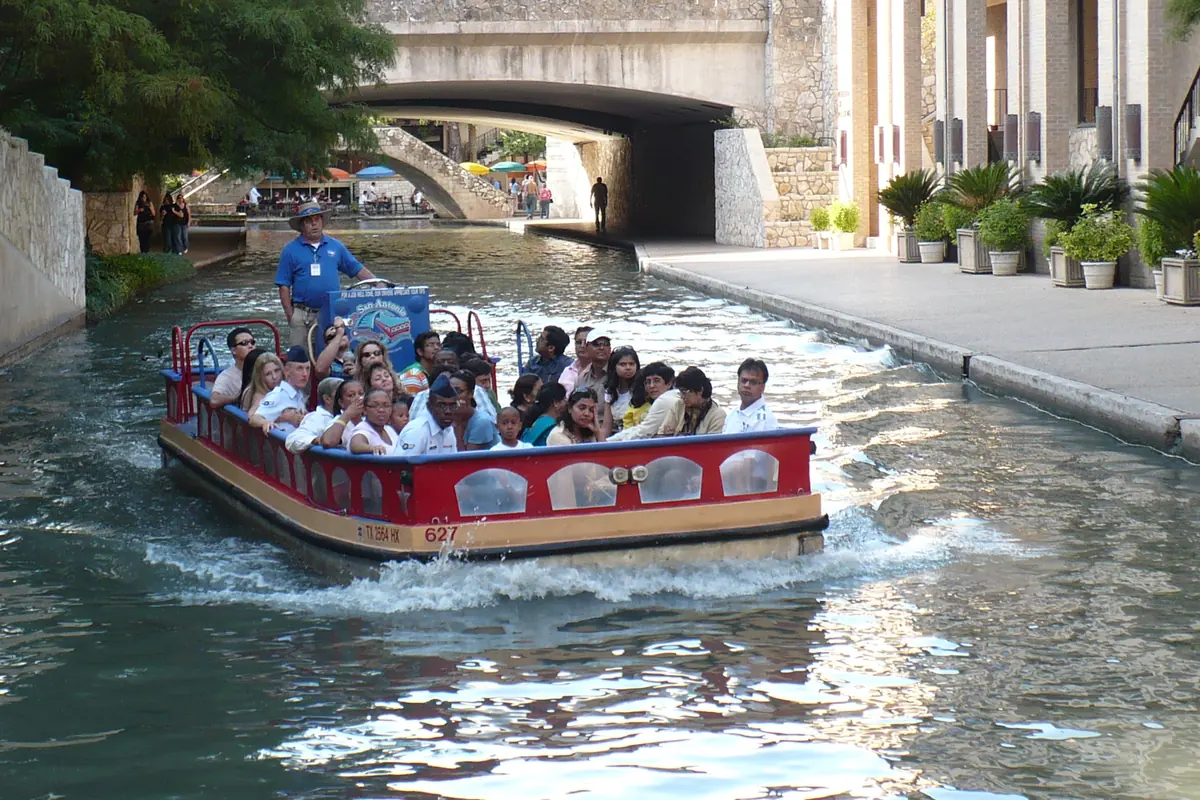
About 35 minutes on the San Antonio River with a live guide speaking English. The ticket is good for any public tour, the boarding docks are listed on your voucher, and boats run daily, weather permitting.
Entry to a large immersive gallery built from light, colour, sculpture and new media, with a lounge, bar and patio alongside. Bring ID, and expect to sign a safety waiver before you go in.
Three and a half hours with pickup from city-centre hotels: Missions Concepción, San José, San Juan and Espada, a short film, and the Espada aqueduct. Food and tips are extra.
Other San Antonio tours and tickets
Before you set out for the plaza
The start time is on your confirmation. Aim to be there well before it, because the parlour, the scavenger hunt and the bar all come before the show, and allow an hour and a half to two hours in total.
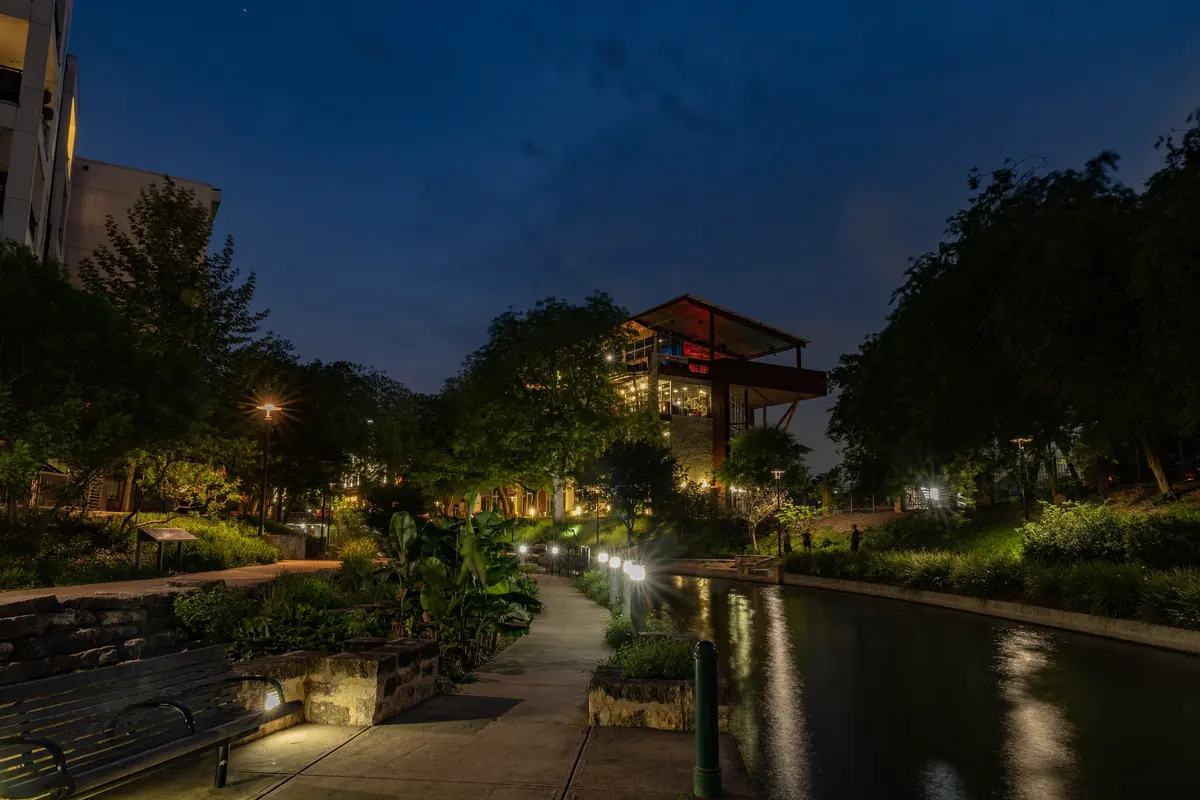
The River Walk runs one level below the streets along the San Antonio River. From its downtown stretch, Alamo Plaza is a short walk up, and a landscaped connector called the Paseo del Alamo links the plaza with the river.
The venue points drivers to public parking garages and metered street parking, all within walking distance of the plaza.
There is a firm lower age limit of six, and minors need an adult in the party. The scavenger hunt in the parlour gives older children something to do before the show starts.
Expect flashing lights and sudden sound effects, which matters for anyone sensitive to either. The venue is wheelchair accessible.
A narrated cruise on the San Antonio River lasts about 35 minutes, so it fits before the show without a rush. The comparison guide weighs one against the other.
Reading for the night
FAQ
For a light, funny evening indoors, yes. You get a one-hour show by a touring magician, a parlour with a scavenger hunt beforehand, free popcorn and half an hour afterwards to look around, all within view of the Alamo. Drinks cost extra, and a show can be cancelled if too few tickets sell.
Each performance needs a minimum number of tickets sold. If that minimum is not met, the show may be cancelled for the day, and ticket holders are offered a reschedule or a full refund. Booking ahead gives the show you want the best chance of running.
No. The venue runs a rotating cast that brings in magicians from across the country, so each visit can bring a different performer and a different act. Nobody can promise a particular name or routine for a given night.
The show itself lasts one hour. With the parlour beforehand and the 30 minutes you can stay afterwards, the visit runs between an hour and a half and two hours from arrival.
No. Signature cocktails and mocktails are sold at the themed bar, and meals and tips sit outside the ticket. Popcorn is free.
From their sixth birthday, yes. Anyone younger than six stays out, and under-18s need a parent or another adult beside them.
Take care. Shows may include flashing lights and sudden sound effects, so think twice if either is a problem for anyone in your party.
Not with flash during the show. You can stay for 30 minutes after the performance to explore the venue and take pictures.
Yes. The theatre is wheelchair accessible, so a wheelchair user can join the evening from the parlour onward.
Climb up to street level from the downtown stretch of the River Walk and head for Alamo Plaza, a short walk away. Your confirmation gives the start time.
No. This site is an independent guide written about the show, not by it: neither the venue nor the ticket seller has any hand in it, and it has no affiliation with them. When you book from here, the purchase happens on GetYourGuide, which looks after payment, changes and refunds.